Language Shapes School Mental Health Culture
Why the words we use matter, and how schools and districts move from division to shared understanding.
The Language Crisis
The Problem With Traditional Language
The Divide: How Language Separates Us
Inherited language has created an “us versus them” divide, labeling some people as struggling while positioning others as “normal.” These terms quietly filter into everyday conversation, policy, and practice, shaping expectations about who needs support, when support is offered, and whose experiences are prioritized.
In reality, trauma, loss, and grief touch every family, every workplace, and every school community. When outdated language persists, many people remain silent; unsure whether they will be understood, supported, or judged. Recognizing this divide is a critical first step toward building a school mental health culture grounded in shared understanding, where whole-child wellbeing is supported proactively and embedded into systems rather than addressed only after crisis.
WHERE RESEARCH MEETS HUMAN-CENTERED PRACTICE
This work is grounded in research on adolescent development and informed by human-centered design, with experience spanning K–12 schools, higher education, and global education initiatives. Across roles in teaching, school leadership, higher education, and global programs, the focus has remained consistent: understanding how people learn together and how systems shape culture.
Across these contexts, a clear pattern emerged. Lasting change happens when research is translated into shared language, intentional learning experiences, and structures that support people across roles, generations, and educational systems.
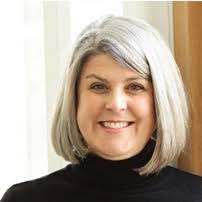
Throughout her career, Marialice has partnered with schools, organizations, and communities to design and manage intergenerational learning experiences, professional development, and collaborative programs that turn ideas into sustainable, community-wide impact.
Her experience spans middle school classrooms and school leadership, higher education, and global education initiatives. She has served as a teacher and principal, a tenured Associate Professor, a global education initiative leader, and currently serves as #SameHere Global’s Community Impact Director.
Global Digital Citizenship Work
Her early work in digital citizenship includes designing the first graduate-level courses in the country and founding the Digital Citizenship Institute. Internationally recognized in this space, she has led professional development, events, and summits across the U.S., Latin America, Europe, Africa, and Asia, including work at Twitter and Facebook headquarters.
In these roles, she supported schools and organizations in moving from reactive rules to proactive practices. Through audits, cross-sector partnerships, and intergenerational learning experiences, she developed expertise in creating inclusive environments where people learn together, side by side.
Over time, she recognized a deeper challenge: how communities build shared understanding, learn together, and act guided by awareness rather than crisis. These lessons now inform her work in mental health culture.
Mental Health Work Today
Her work today centers on helping schools, districts, organizations, and communities build a shared foundation for mental health. By treating mental health as a common human experience rather than a label or diagnosis, this work supports inclusive learning environments where language and the 5-in-5 model are practiced in daily life.
In partnership with #SameHere Global, this approach reflects a shift from a “1-in-5 struggle” mindset toward a more inclusive understanding that mental health is something all of us navigate. Grounded in research and shaped through practice, the work brings together learning design, facilitation, and intergenerational experiences that strengthen wellbeing, connection, and shared responsibility.
Culture doesn’t change through programs alone. It changes when people share language, learn together, and take responsibility for one another.
Shared language. Shared practice. Shared responsibility.
WORKING WITH COMMUNITIES
This work often involves connecting people across roles and perspectives, creating learning environments where insight, trust, and shared responsibility can develop over time.